Categories
Courses Categories
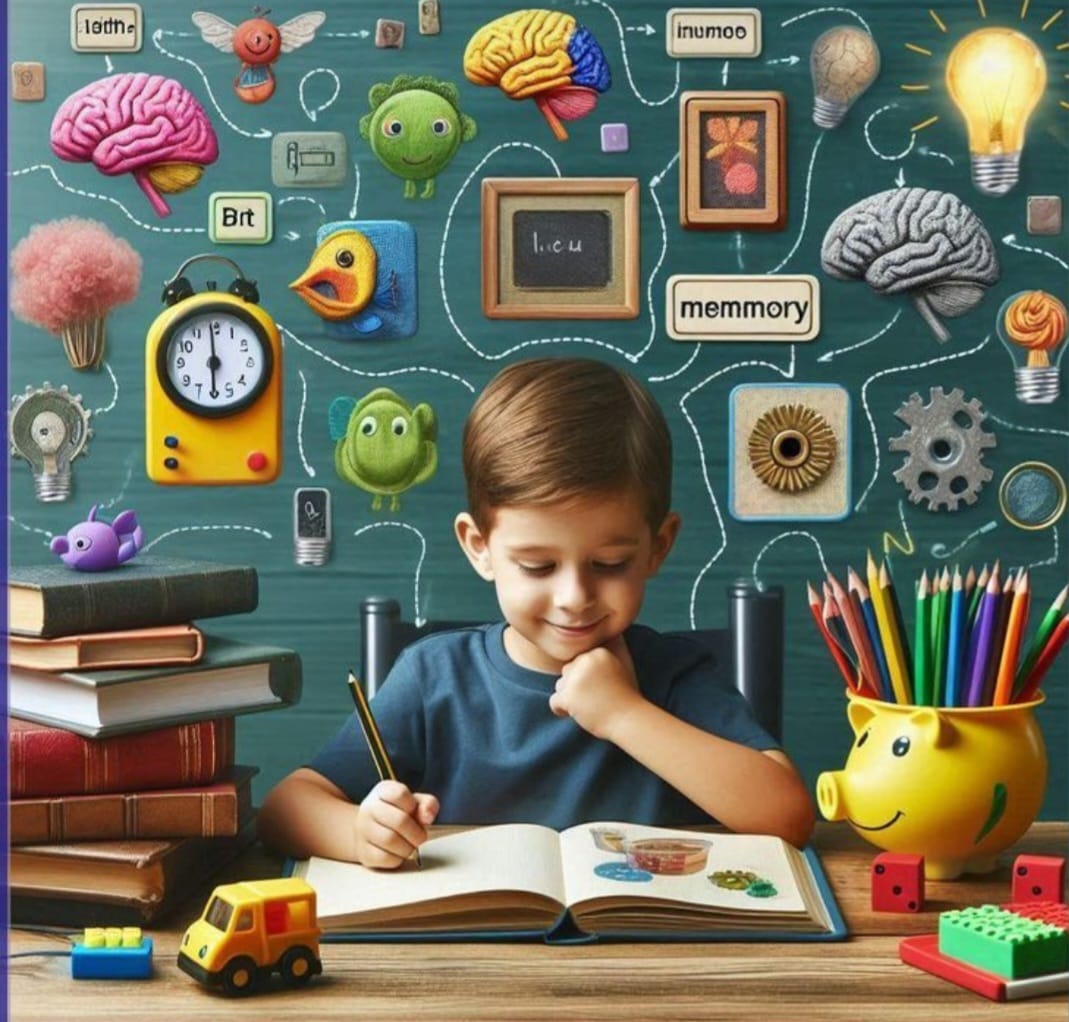
Memory Techniques
Master powerful strategies to remember more and forget less.
Memory techniques are strategies that help improve the ability to retain and recall information. These techniques are designed to enhance memory performance by making information easier to encode, store, and retrieve. Here’s a brief overview of some popular memory techniques:
This involves breaking down large amounts of information into smaller, manageable units. E.g., 123456789 becomes 123-456-789. This makes information easier to process and remember.
Mnemonics are memory aids that help associate information with a pattern, phrase, or acronym. For example, using the acronym PEMDAS to remember the order of operations in math: Parentheses, Exponents, Multiplication, Division, Addition, and Subtraction.
This technique involves creating vivid mental images to associate with information. For example, if you need to remember someone's name, you might visualize them holding a large, colorful object related to their name.
This ancient technique involves associating information with specific locations within a familiar environment (like your house). You mentally "walk" through the space, recalling each item at its designated spot.
Spaced repetition involves reviewing information at increasing intervals over time. For instance, reviewing a flashcard today, then in a few days, then a week later, helps strengthen long-term memory.
Associating new information with something you already know helps make it easier to remember. For example, linking a new person's name to someone famous with the same name.
Turning information into a story or narrative can make it easier to remember. For instance, if you need to recall a list of items, you could create a short story where each item plays a role.
This involves memorizing a set of "pegs" (usually a set of numbers or words), and then associating each item you want to remember with one of these pegs. For example, linking "1" with "sun", "2" with "shoe", and so on.
These techniques work with your brain’s natural ability to recognize patterns, visualize, and create associations. With regular practice, you can boost both short-term and long-term memory significantly.